Source Fully Refined Microcrystalline Wax for Candle, Packaging, Cosmetics
Compare 30 listings of fully refined microcrystalline wax from verified Chinese suppliers. Buyers can evaluate melting points, oil content, and packaging options for candle making, packaging, and cosmetics applications; compare the available evidence and request quotations based on your requirements.
Key considerations
Products List


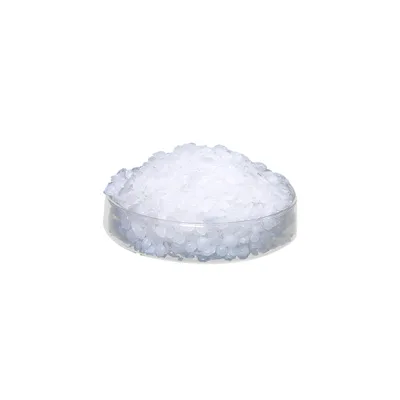
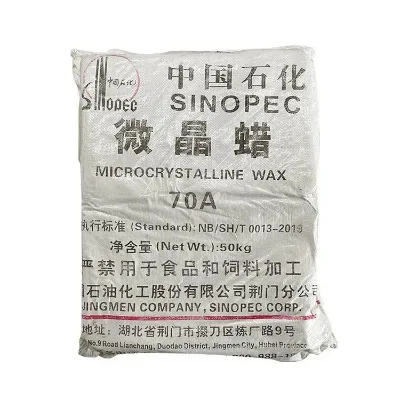


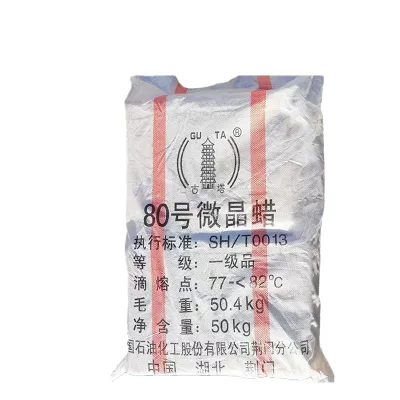


Comprehensive Sourcing Guide
Fully Refined Microcrystalline Wax Sourcing Guide
Procurement professionals must first distinguish between paraffin and microcrystalline wax variants, as the supplied data indicates overlapping model numbers like 56-58 and 60-62 that may refer to different refining stages. Buyers should verify whether the listing explicitly confirms the "Microcrystalline" designation rather than generic paraffin, since the latter often lacks the specific branched hydrocarbon structure required for high-performance applications. This distinction is critical because the physical properties, such as flexibility and adhesion, differ significantly between the two wax types, directly impacting the final product quality in textile or cosmetic formulations.
The observed market signals reveal a wide range of melting points, from 60℃ up to 90℃, which suggests that suppliers offer multiple grades tailored to specific processing temperatures. Sourcing teams must carefully cross-reference the requested melting point with the intended application, such as candle making or PVC processing, to ensure the selected grade will not degrade or fail during manufacturing. Relying solely on the product name without verifying the specific melting range can lead to procurement errors, as a wax with a 70-90℃ melting point may be unsuitable for low-temperature molding processes compared to a 60℃ variant.
Product Scope and Observed Listing Signals
Buyers should expect to find the product in solid block forms, often packaged in 50kg bags or custom cartons depending on the supplier's flexibility. The observed listings indicate that packaging can be customized to buyer needs, yet the standard offering frequently involves bulk bags suitable for industrial handling. It is essential to confirm the exact packaging dimensions and weight limits before finalizing an order, as variations in bag strength or carton sealing can affect logistics costs and product integrity during transit.
The application scope for these waxes is broad, covering textile treatments, rubber additives, food packing, and cosmetics, which requires strict adherence to the specific grade selected for each use case. While some listings mention "Food Grade" status with low sulfur content, others are classified strictly as industrial grade, necessitating a clear definition of the end-use environment. Procurement teams must ensure that the selected product's intended application aligns with the supplier's stated usage claims to avoid regulatory non-compliance in sensitive industries like food or personal care.
Technical Specifications to Verify
The melting point is a primary technical parameter that varies significantly across the observed listings, ranging from 60℃ to 90℃, and must be matched precisely to the production line requirements. Buyers should request a Certificate of Analysis for the specific batch to confirm the exact melting range, as a deviation of even a few degrees can alter the viscosity and setting time in applications like candle making or coating. Verifying this specification ensures that the wax will perform consistently under the thermal conditions of the manufacturing process without causing equipment issues or product defects.
Oil content and sulfur levels are critical quality indicators that define the purity and stability of the wax, with some listings specifying oil content as low as 0.5% and sulfur content below 0.001% for food-grade variants. Procurement specialists must demand test results for these specific contaminants, as high oil content can lead to blooming or softening in the final product, while excessive sulfur can cause discoloration or odor issues. Confirming these chemical limits is essential for maintaining the aesthetic and functional integrity of the end product, particularly in high-value applications like cosmetics or food packaging.
Compliance and Safety Documentation
Safety documentation must explicitly address the sulfur content limits, which are cited as ≤0.001% for fully refined food-grade wax and ≤0.05% for semi-refined industrial grades. Buyers should require a Material Safety Data Sheet (MSDS) that details these specific limits alongside handling instructions, ensuring that the product meets the safety standards of the destination market. Without clear documentation on sulfur and oil content, there is a risk of importing non-compliant materials that could trigger regulatory penalties or product recalls in regulated industries.
Environmental protection claims are present in the listings, with some products marked as "Yes" for environmental safety, but these assertions require third-party verification to be actionable. Procurement teams should seek out specific environmental certifications or test reports that validate the "environmentally friendly" status, rather than relying on unverified marketing statements. Ensuring that the supplier can provide documented proof of their environmental compliance helps mitigate reputational risks and aligns the supply chain with corporate sustainability goals.
Cost Drivers and Commercial Terms
The observed price range of 1 to 2000 USD and MOQs varying from 1 to 1000 units indicate that pricing is highly dependent on the specific grade, packaging, and order volume. Buyers should anticipate that higher purity grades, such as those with lower sulfur content or specific melting points, will command a premium price compared to standard industrial grades. Understanding these cost drivers allows procurement teams to negotiate more effectively by balancing the need for quality specifications against the budget constraints of the project.
Lead times and production schedules are also significant commercial factors, with some suppliers indicating a production lead time of 3-7 working days, while others may have longer cycles depending on raw material availability. It is crucial to clarify the exact delivery timeline and any potential delays during the negotiation phase to ensure that the supply chain remains uninterrupted. Coordinating the lead time with the production schedule prevents stockouts and allows for better inventory management, especially when dealing with bulk orders that require precise timing.
Supplier Qualification and Quality Control
Supplier qualification should include a review of their production standards, with many listings citing ISO 9001 and SGS certifications as indicators of a robust quality management system. Buyers must verify the validity of these certifications and ensure that the supplier's quality control processes are aligned with the specific requirements of the wax grade being purchased. A supplier with a proven track record of maintaining consistent product quality is essential for minimizing the risk of batch-to-batch variations that could disrupt manufacturing operations.
Quality control checks should extend beyond the initial sample to include regular audits of the production line and final product testing. Procurement teams should establish a protocol for random sampling and testing upon receipt of goods to verify that the melting point, oil content, and sulfur levels match the agreed specifications. Implementing a rigorous quality control process ensures that any deviations are caught early, allowing for corrective actions before the product is integrated into the final manufacturing process.
Long-Term Procurement Checks
Long-term procurement strategies should focus on building a relationship with suppliers who can consistently meet the technical and compliance requirements over time. Buyers should conduct periodic reviews of supplier performance, including on-time delivery rates, product consistency, and responsiveness to quality issues, to ensure that the partnership remains beneficial. A stable supply chain is critical for maintaining product quality and operational efficiency, making it essential to select suppliers who demonstrate reliability and a commitment to continuous improvement.
Regular re-evaluation of the market and supplier base is necessary to stay informed about new technologies, pricing trends, and regulatory changes that could impact the procurement of fully refined microcrystalline wax. Procurement teams should maintain a database of alternative suppliers and monitor industry developments to ensure that the company can adapt quickly to any changes in the supply landscape. This proactive approach helps mitigate risks and ensures that the company remains competitive in a dynamic market environment.
FAQs
What is the melting point range for fully refined microcrystalline wax?
The melting point typically ranges from 60°C to 90°C depending on the specific grade selected. Industrial grade options often feature melting points between 54°C and 66°C, while fully refined variants may reach up to 90°C. Buyers should verify the exact model number, such as 56-58 or 70-90, to ensure the thermal properties match their specific application requirements.
Which certifications are available for this wax product?
Products are commonly certified under ISO 9001 and SGS standards. Fully refined paraffin wax variants may also meet food-grade specifications with sulfur content below 0.001%. These certifications ensure quality control and safety for applications in cosmetics, food packing, and candle making. Buyers should request specific test reports to confirm compliance with their regional regulatory requirements.
Can I request custom packaging for bulk orders?
Yes, packaging can be customized to meet buyer needs. Standard options include 50kg bags or cartons, but suppliers often accommodate specific requirements. This flexibility supports various logistics and storage preferences. Buyers should specify their preferred packaging type during the inquiry process to ensure the supplier can provide the necessary materials and labeling for their distribution channels.
What is the typical lead time for production?
Production lead time is generally 3-7 working days. This timeframe allows for efficient manufacturing and quality checks before shipment. Buyers should confirm the exact schedule with the supplier, as lead times may vary based on order volume and current production capacity. Early communication helps ensure timely delivery for urgent project requirements.
What are the common applications for this wax?
Common applications include candle making, PVC processing, textile treatment, and cosmetics. It is also used in rubber additives, packaging materials, and construction. The wax serves as a versatile additive due to its high aliphatic acid content and environmental safety. Buyers should select the appropriate grade, such as industrial or food-grade, based on the specific end-use industry.
What is the minimum order quantity for samples?
Samples are available for evaluation, though specific minimum order quantities may vary by supplier. Standard bulk orders often start at 500kg or 1000kg. Buyers should inquire directly about sample availability and associated costs. This allows for quality assessment before committing to larger purchases, ensuring the product meets their technical specifications.